Literacy and Learning to Love Reading
Growing up, I was always surrounded by books. Some of my earliest memories include seeing my mom reading at the kitchen table, stacks of books on the nightstand, and regular trips to the library to swap stories for new ones. While today’s technology makes reading more accessible than ever, there is still something special about holding a book and turning its pages.
Reading is an important skill we use every day, but it offers so much more than learning words on a page. Books open our imaginations, build vocabulary, strengthen thinking skills, and even provide a moment to relax and connect. One of the greatest gifts you can give a child is helping them develop a love of reading.
When children read with a caregiver, they are doing much more than listening to a story. Shared reading helps build language skills, supports social and emotional development, and lays a strong foundation for success in school and beyond. Even just a few minutes a day — reading a favorite book, looking at pictures together, or even talking about the words on a cereal box — can support a child’s literacy development.
So what does literacy development look like for young children?
For infants, it may be exploring the texture of a book or looking at bright pictures. Toddlers might help turn the pages or point to familiar objects. Preschoolers often enjoy telling their own stories by looking at pictures. As children begin recognizing letters, they may proudly point out the first letter of their name on a sign or label. Each of these moments is an important step in their literacy journey.
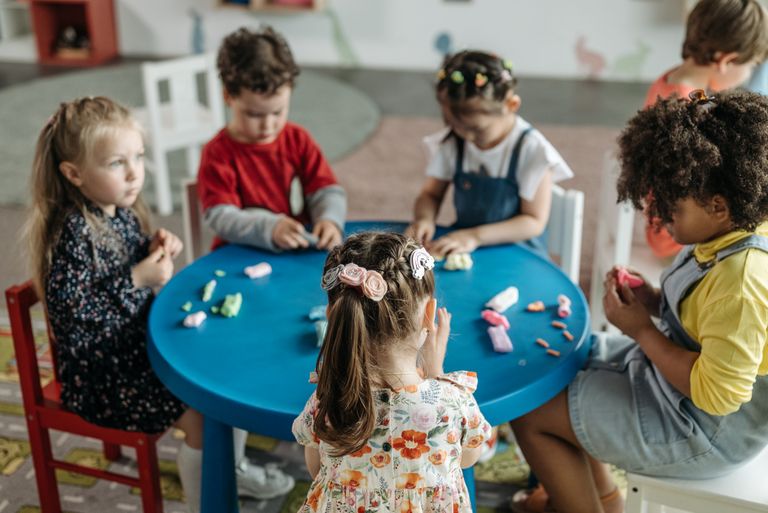
One of the wonderful things about NMCAA’s early childhood programs is the many opportunities children have to experience literacy every day. Classrooms are filled with books, songs, stories, and labels placed at children’s eye level to encourage curiosity and learning. Teachers read and sing together during group time, and home visitors share simple literacy activities families can enjoy at home.
Our goal is to partner with families to support children as they build important literacy skills — all while discovering the joy of reading. And really, what could be more rewarding than helping a child fall in love with a good book?
What Literacy Looks Like for Young Children
Literacy development begins long before children learn to read independently.
· Infants: Explore books by touching and looking at pictures.
· Toddlers: Help turn pages and point to familiar objects.
· Preschoolers: Enjoy telling their own stories using pictures.
· Early Learners: Begin recognizing letters, especially the ones in their name.
Each of these moments is an important step in a child’s literacy journey.
Try This at Home!
Reading together doesn’t have to take a lot of time. Try these simple ideas:
• Let your child choose the book.
• Talk about the pictures as you read.
• Read favorite stories again and again — repetition helps children learn.
• Point out letters and words you see throughout your day.
Need more literacy ideas? Talk with your child’s teacher or home visitor — we’re here to support your family every step of the way!
Written by: Kristin Ruckle